

High-End Sockets vs. Standard: What’s the Difference?
Classification: Industry News
Time:2025-12-04
High-End Sockets vs. Standard: What’s the Difference?
In the world of electrical installations, the importance of selecting the right socket cannot be overstated. **High-end sockets** and **standard sockets** serve the same fundamental purpose—providing a connection for electrical devices—but they vary significantly in terms of quality, design, functionality, and price. This guide delves deep into the key differences between these two types of sockets, helping you make an informed decision for your home or office.
Table of Contents
1. Understanding Sockets: An Overview
2. What are High-End Sockets?
2.1 Features of High-End Sockets
2.2 Benefits of Using High-End Sockets
3. What are Standard Sockets?
3.1 Features of Standard Sockets
3.2 Benefits of Using Standard Sockets
4. Key Differences Between High-End and Standard Sockets
4.1 Material Quality and Durability
4.2 Design and Aesthetic Appeal
4.3 Functionality and Features
4.4 Price Considerations
5. Situations to Choose High-End Sockets
6. Situations to Choose Standard Sockets
7. Frequently Asked Questions (FAQs)
8. Conclusion
1. Understanding Sockets: An Overview
Sockets are essential components of any electrical system, providing the interface for connecting devices to the electrical supply. They come in various types, catering to different needs and preferences. Understanding the basic structure and purpose of sockets can help clarify why choosing the right type is critical.
2. What are High-End Sockets?
High-end sockets represent the premium segment of the socket market. They are designed with advanced features, superior materials, and a focus on aesthetics.
2.1 Features of High-End Sockets
High-end sockets often include:
- **Higher Durability**: Made from robust materials that resist wear and tear.
- **Advanced Safety Features**: Includes surge protection and child safety designs.
- **Smart Technology Integration**: Many high-end sockets support smart home technology, allowing for remote control and automation.
- **Customizable Designs**: Available in various finishes and styles to complement modern interiors.
2.2 Benefits of Using High-End Sockets
Investing in high-end sockets can offer several advantages:
- **Increased Longevity**: Their durable build ensures they last longer, reducing the need for replacements.
- **Enhanced Safety**: Built-in safety features provide peace of mind, especially in homes with children.
- **Aesthetic Value**: They can enhance the overall look of a room, providing a more polished and sophisticated appearance.
3. What are Standard Sockets?
Standard sockets are the commonly used electrical outlets found in most homes and offices. They serve their basic purpose of providing power but often lack the advanced features found in high-end models.
3.1 Features of Standard Sockets
Standard sockets typically feature:
- **Basic Materials**: Usually made from plastic and metal that meet safety standards.
- **Simple Design**: Generally straightforward and functional without any frills.
- **Limited Features**: Often lack advanced safety features and smart technology.
3.2 Benefits of Using Standard Sockets
Standard sockets offer their own set of benefits:
- **Affordability**: Generally more budget-friendly, making them suitable for larger installations.
- **Simplicity**: Ideal for straightforward applications where advanced features are unnecessary.
- **Widespread Availability**: Easily found in most hardware stores.
4. Key Differences Between High-End and Standard Sockets
While both types of sockets serve their primary function, the differences are significant, particularly in material quality, design, and functionality.
4.1 Material Quality and Durability
High-end sockets are constructed from superior materials, often resulting in greater durability and resistance to damage. Standard sockets, while safe and functional, may not withstand the same level of wear and tear, especially in high-use areas.
4.2 Design and Aesthetic Appeal
High-end sockets often boast a more polished design, with options for customizable finishes that can complement interior décor. Standard sockets, in contrast, tend to have a more utilitarian appearance, suited for basic needs.
4.3 Functionality and Features
High-end sockets frequently come equipped with features like USB ports, surge protection, and smart home compatibility. Standard sockets typically lack these additional functionalities, focusing on the basic need for power connectivity.
4.4 Price Considerations
The price difference between high-end and standard sockets is often substantial. While high-end sockets represent a higher initial investment, they may offer long-term savings through durability and additional features. Standard sockets, with their lower upfront cost, may require more frequent replacements over time.
5. Situations to Choose High-End Sockets
Investing in high-end sockets is particularly beneficial in the following situations:
- **High-End Interiors**: In luxury homes or modern offices where aesthetics matter.
- **Smart Homes**: When integrating smart technology throughout the electrical system.
- **Heavy Usage Areas**: In environments where sockets will be frequently used, such as kitchens or home offices.
6. Situations to Choose Standard Sockets
Standard sockets may be the right choice in scenarios such as:
- **Budget Constraints**: When working with a limited budget or large scale projects.
- **Basic Needs**: In locations where advanced features are unnecessary.
- **Temporary Installations**: In rental properties or short-term projects where long-term durability is less critical.
7. Frequently Asked Questions (FAQs)
1. What should I consider when choosing between high-end and standard sockets?
When choosing between high-end and standard sockets, consider factors such as budget, design preferences, usage frequency, and whether you need any advanced features.
2. Are high-end sockets worth the investment?
Yes, high-end sockets can be worth the investment due to their durability, safety features, and aesthetic benefits, especially in high-use or visually prominent areas.
3. Can I install high-end sockets myself?
While it is possible to install sockets yourself, it is recommended to hire a qualified electrician to ensure safety and compliance with local electrical codes.
4. How do I maintain high-end sockets?
Maintenance primarily involves regular cleaning and occasional inspections to ensure that safety features are functioning correctly.
5. Are there specific brands known for high-end sockets?
Yes, several brands specialize in high-end sockets, known for their quality and design. Researching customer reviews and product specifications can help identify the best options.
8. Conclusion
In summary, the choice between high-end sockets and standard sockets hinges on various factors, including aesthetic preferences, budget, and intended use. High-end sockets stand out for their durability, enhanced safety features, and design versatility, making them ideal for premium environments. Standard sockets, on the other hand, provide a practical and affordable solution for basic electrical needs. Understanding these differences ensures that you can select the right type of socket to meet your specific requirements, making your space both functional and visually appealing.
Keyword: High-End Sockets vs. Standard: What’s the Difference?
RELATED INFORMATION
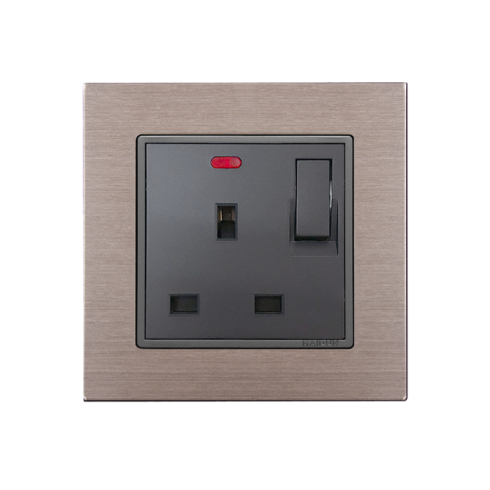
Maximize Your Space: The Advantages of Using 3 Hole Wall Sockets
Maximize Your Space: The Advantages of Using 3 Hole Wall Sockets Table of Contents Introduction to 3 Hole Wall Sockets Understanding 3 Hole Wall Sockets Benefits of 3 Hole Wall Sockets Space Efficiency and Organization Safety Features of 3 Hole Sockets Aesthetic Appeal and Versatility Installation Process for 3 Hole Wall S
2026/03/19
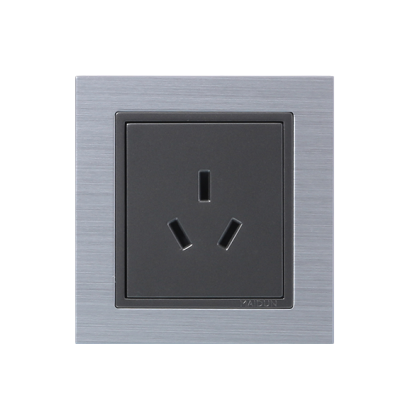
Understanding the Benefits and Applications of 3 Hole Wall Sockets
When it comes to electrical installations in residential and commercial spaces, the choice of wall sockets is crucial for both functionality and safety. One popular option is the 3 hole wall socket, which has become increasingly prevalent due to its enhanced safety features and versatility. This type of socket typically consists of three openings: two for live and neutral connections and one for g
2026/03/12
ONLINE MESSAGE
NAVIGATION

CONTACT
SERVICE HOTLINE:
ADDRESS: Maidun Industrial Park, No. 19 Qingfeng Road, Henglan, Zhongshan City, Guangdong Province
CopyRight © Zhongshan Maidun Electric Co., Ltd