

Discover the Best Light Switches and Electrical Sockets for Your Home: A Comprehensive Guide
Classification: Industry News
Time:2026-01-05
Discover the Best Light Switches and Electrical Sockets for Your Home: A Comprehensive Guide
Choosing the right light switches and electrical sockets for your home can significantly enhance both the functionality and style of your living space. With a myriad of options available, from classic designs to modern, smart technology, it is essential to understand what features matter most for your needs. In this guide, we will explore everything you need to know about light switches and electrical sockets, ensuring that you make informed decisions that reflect your personal taste and meet your household requirements.
Table of Contents
- The Importance of Light Switches and Electrical Sockets
- Types of Light Switches: Which One Is Right for You?
- Smart Light Switches: A Modern Convenience
- Choosing the Right Electrical Socket for Your Home
- The Importance of Energy Efficiency in Electrical Components
- Aesthetic Considerations: Blending Functionality with Style
- Installation Tips for Light Switches and Electrical Sockets
- FAQs: Common Questions About Light Switches and Sockets
- Conclusion: Elevate Your Home's Electrical Solutions
The Importance of Light Switches and Electrical Sockets
Light switches and electrical sockets are more than just practical components of your home's electrical system. They play a vital role in ensuring safety, convenience, and energy efficiency. Properly functioning switches and sockets can prevent electrical hazards, reduce energy waste, and enhance your overall living experience. They also contribute to the aesthetic appeal of your home, influencing the ambiance of each room.
Types of Light Switches: Which One Is Right for You?
Understanding the different types of light switches available is crucial in selecting the best one for your needs. Here’s a breakdown of the most common types:
1. Toggle Switches
Toggle switches are the traditional style of light switch, typically featuring a simple up-and-down mechanism. They are easy to use and widely recognized, making them a popular choice for many homeowners.
2. Rocker Switches
Rocker switches offer a modern design and are often more aesthetically pleasing. They operate similarly to toggle switches but have a larger surface area, making them easier to use, especially for individuals with mobility issues.
3. Dimmer Switches
Dimmer switches allow for adjustable lighting levels, enabling you to create the desired ambiance in any room. They are ideal for living rooms, dining areas, and bedrooms, where lighting preferences may vary.
4. Three-Way and Four-Way Switches
Three-way switches are used when you want to control a single light from two locations, such as at the top and bottom of a staircase. Four-way switches can be added to control a light from three or more locations.
5. Smart Light Switches
Smart switches integrate with your home automation system, allowing control via smartphone apps, voice commands, or automated routines. They offer convenience and can also help save energy by optimizing usage.
Smart Light Switches: A Modern Convenience
Smart light switches represent the cutting edge of home electrical solutions. These devices not only control lighting but also provide significant advantages:
1. Remote Access
With smart light switches, you can control your home’s lighting from anywhere using your smartphone or tablet. This feature is particularly useful for managing lighting when you are away or for turning lights on before you arrive home.
2. Energy Tracking
Many smart switches include energy monitoring features that allow you to track your usage patterns. This data can help you make more informed choices about energy consumption.
3. Integration with Other Smart Devices
Smart light switches can be integrated with other home automation systems, such as security cameras, smart thermostats, and voice-activated assistants (like Amazon Alexa or Google Assistant), creating a seamless smart home experience.
4. Scheduling and Automation
These switches enable you to set schedules for your lighting, ensuring that lights turn on and off automatically. This feature enhances security by simulating occupancy when you are away.
Choosing the Right Electrical Socket for Your Home
When it comes to electrical sockets, there are several factors to consider to ensure safety and functionality:
1. Types of Sockets
The most common types of electrical sockets include:
- Standard Sockets: Used for everyday appliances.
- USB Sockets: Equipped with USB ports for charging devices without needing an adapter.
- Weatherproof Sockets: Suitable for outdoor use, providing protection against the elements.
2. Voltage and Amperage Ratings
Understanding the voltage and amperage ratings of your sockets is essential for safety. Ensure that your sockets match the requirements of the devices you plan to use.
3. Safety Features
Look for sockets with built-in safety features such as childproof designs or surge protection to prevent accidents and damage to connected devices.
4. Aesthetic Options
Just like light switches, electrical sockets come in various designs and colors. Choose options that complement your home’s decor while providing functionality.
The Importance of Energy Efficiency in Electrical Components
Energy efficiency is a significant concern for homeowners looking to reduce their carbon footprint and lower utility bills. Here are some ways in which light switches and sockets can contribute to energy efficiency:
1. Energy-Efficient Bulbs
Using modern light switches with energy-efficient LED or CFL bulbs can reduce energy consumption dramatically. Dimmer switches can further enhance savings by allowing you to adjust lighting levels as needed.
2. Smart Technology
Smart switches and sockets can optimize energy usage by enabling you to control lighting remotely and set schedules. They can also provide usage analytics to help you identify energy waste.
3. Load Management
Installing sockets that manage the load of connected devices can prevent overload and reduce the risk of electrical fires while ensuring efficient power distribution throughout your home.
Aesthetic Considerations: Blending Functionality with Style
Choosing light switches and electrical sockets is not just a technical decision; it is also an aesthetic one. Here are some tips for ensuring that your selections are stylish as well as functional:
1. Color Coordination
Consider the colors of your walls, furniture, and other fixtures when selecting switches and sockets. Coordinated colors can create a cohesive look that enhances your interior design.
2. Style Matching
Choose switch and socket styles that match the overall theme of your home—whether that be modern, traditional, rustic, or industrial. This can make even the smallest details feel intentional and well-designed.
3. Customization Options
Many manufacturers offer customizable options for light switches and sockets, including decorative plates or finishes. Explore these options to add a personal touch to your electrical components.
Installation Tips for Light Switches and Electrical Sockets
Proper installation of light switches and sockets is crucial for safety and functionality. Here are some tips to consider:
1. Read the Instructions
Always read the manufacturer's instructions before installation. Different products may have specific requirements or recommendations to ensure safe operation.
2. Turn Off the Power
Before starting any installation, ensure that the power is turned off at the circuit breaker to prevent electrical shocks or accidents.
3. Use Quality Tools
Invest in quality tools that are appropriate for electrical work, including screwdrivers, wire strippers, and voltage testers. This will ensure a safe and efficient installation process.
4. Seek Professional Help if Needed
If you are unsure about any aspect of the installation process, it is always a good idea to consult with a licensed electrician. They can ensure that the work is done safely and up to code.
FAQs: Common Questions About Light Switches and Sockets
1. What is the average lifespan of light switches and sockets?
Most light switches and sockets can last between 10 to 30 years, depending on usage and the quality of the product. Regular maintenance can help extend their lifespan.
2. Can I replace a regular light switch with a smart switch?
Yes, you can replace a regular switch with a smart switch, but ensure that the smart switch is compatible with your home’s wiring and meets the electrical requirements.
3. Are dimmer switches compatible with LED bulbs?
Not all dimmer switches work with LED bulbs. Be sure to choose a dimmer designed specifically for LED compatibility to avoid flickering or buzzing.
4. How do I know if I need a three-way switch?
If you want to control a single light from two different locations, you will need a three-way switch. This is commonly used in hallways or staircases.
5. What should I do if my socket feels warm to the touch?
If a socket feels warm, it could indicate an overload or a wiring issue. Turn off power to that circuit immediately and consult with an electrician to assess the situation.
Conclusion: Elevate Your Home's Electrical Solutions
Choosing the right light switches and electrical sockets is essential for enhancing your home's functionality, safety, and aesthetic appeal. By understanding the various types of switches and sockets available, as well as their features and benefits, you can make informed decisions that align with your personal taste and practical needs. Whether opting for traditional designs or embracing smart technology, investing in quality electrical components will undoubtedly elevate your living space. Remember, thoughtful selection and installation will lead to a more efficient, stylish, and enjoyable home environment.
Keyword: Discover the Best Light Switches and Electrical Sockets for Your Home: A Comprehensive Guide
RELATED INFORMATION
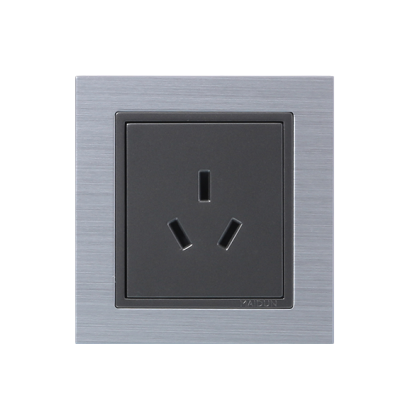
Maximize Your Space: The Advantages of Using 3 Hole Wall Sockets
Maximize Your Space: The Advantages of Using 3 Hole Wall Sockets Table of Contents Introduction to 3 Hole Wall Sockets Understanding 3 Hole Wall Sockets Benefits of 3 Hole Wall Sockets Space Efficiency and Organization Safety Features of 3 Hole Sockets Aesthetic Appeal and Versatility Installation Process for 3 Hole Wall S
2026/03/19
Understanding the Benefits and Applications of 3 Hole Wall Sockets
When it comes to electrical installations in residential and commercial spaces, the choice of wall sockets is crucial for both functionality and safety. One popular option is the 3 hole wall socket, which has become increasingly prevalent due to its enhanced safety features and versatility. This type of socket typically consists of three openings: two for live and neutral connections and one for g
2026/03/12
ONLINE MESSAGE
NAVIGATION

CONTACT
SERVICE HOTLINE:
ADDRESS: Maidun Industrial Park, No. 19 Qingfeng Road, Henglan, Zhongshan City, Guangdong Province
CopyRight © Zhongshan Maidun Electric Co., Ltd