

Essential Features to Consider When Choosing Power Switches and Sockets
Classification: Industry News
Time:2026-02-02
Essential Features to Consider When Choosing Power Switches and Sockets
In today's fast-paced world, choosing the right power switches and sockets is crucial for both residential and commercial settings. With myriad options available, understanding the essential features that impact performance and safety is paramount. This guide will delve into the critical aspects you should consider when selecting power switches and sockets, ensuring you make informed decisions that align with your needs.
Table of Contents
- Understanding Power Switches and Sockets
- Importance of Safety Standards
- Key Features to Look for in Power Switches
- Durability and Material Quality
- Design and Aesthetic Appeal
- Type of Control Mechanism
- Essential Features of Sockets
- Voltage and Ampere Ratings
- Universal Compatibility
- Child Safety Features
- Choosing the Right Switches and Sockets for Different Applications
- Installation Considerations
- Maintenance Tips for Longevity
- Frequently Asked Questions
- Conclusion
Understanding Power Switches and Sockets
Power switches and sockets are fundamental components of any electrical system, acting as interfaces between electrical devices and the power supply. Switches allow users to control the flow of electricity to devices, while sockets provide access to electrical outlets. Understanding these components' roles and functionalities is essential when making your selection.
Importance of Safety Standards
Safety should always be your top priority when choosing power switches and sockets. Compliance with national and international safety standards ensures that these components can handle electrical loads without posing hazards. Look for brands and products that are certified by relevant institutions, such as UL (Underwriters Laboratories) or IEC (International Electrotechnical Commission).
Key Features to Look for in Power Switches
Durability and Material Quality
Power switches are exposed to frequent use and can be subject to wear and tear. High-quality materials such as polycarbonate or thermoplastic ensure that switches maintain their functionality over time. Check for products that offer IP ratings for dust and water resistance, crucial for areas exposed to moisture or dust.
Design and Aesthetic Appeal
Switches come in various designs and finishes to complement your interior decor. Whether you prefer classic white, contemporary black, or more vibrant colors, select switches that enhance the visual appeal of your space. Consider options with sleek lines and modern aesthetics for a contemporary setting.
Type of Control Mechanism
Power switches can have different control mechanisms, including toggle, rocker, dimmer, and smart switches. Toggle and rocker switches are simple and reliable, while dimmer switches provide adjustable lighting. Smart switches allow for remote control and automation, perfect for tech-savvy users looking to integrate their home with smart technology.
Essential Features of Sockets
Voltage and Ampere Ratings
Choosing sockets with appropriate voltage and ampere ratings is vital. Common household sockets are typically rated for 15A or 20A. Ensure that the sockets you choose can handle the electrical load of your devices without risk of overheating or failure.
Universal Compatibility
If you travel frequently or use devices from various regions, consider sockets with universal compatibility. These sockets can accommodate different plug types, making them versatile options for various devices and locations.
Child Safety Features
For households with children, selecting sockets equipped with safety features is crucial. Look for sockets with shutter mechanisms that prevent accidental insertion of foreign objects. These features can significantly reduce the risk of electric shocks and ensure a safer environment for kids.
Choosing the Right Switches and Sockets for Different Applications
Different environments require tailored solutions. Residential, commercial, and industrial spaces each have unique needs when it comes to power switches and sockets. For example, heavy-duty switches and sockets are essential in industrial settings to manage higher electrical loads. In contrast, aesthetic considerations may take precedence in residential applications.
Installation Considerations
Proper installation is pivotal to ensuring the safety and functionality of power switches and sockets. Always hire a qualified electrician for installations, as they possess the knowledge to adhere to local building codes and regulations. Additionally, ensure that the switches and sockets are positioned conveniently for user access while maintaining accessibility requirements.
Maintenance Tips for Longevity
Regular maintenance can extend the lifespan of your power switches and sockets. Inspect these components periodically for signs of wear and damage. Dust and clean them regularly to prevent dirt accumulation, which can interfere with their functionality. If any switch or socket shows signs of malfunction, replace it immediately to avoid risks.
Frequently Asked Questions
1. How do I choose the right power switch for my home?
Consider the type of devices you will be using, the aesthetic appeal, and the control mechanism that suits your lifestyle. Ensure it meets safety standards and is durable enough for daily use.
2. What are the differences between standard and smart switches?
Standard switches allow manual control, while smart switches can be controlled remotely via smartphones or voice-activated devices, offering more flexibility and automation.
3. Are all power sockets compatible with international plugs?
No, not all sockets are universally compatible. If you need to accommodate various plug types, opt for sockets designed with universal compatibility.
4. How often should I replace switches and sockets?
Replace switches and sockets if they show signs of wear, such as cracks or malfunctioning. Regular inspections can help identify issues before they become serious problems.
5. Can I install power switches and sockets by myself?
While some may attempt DIY installations, it's best to hire a qualified electrician to ensure safety and compliance with local regulations.
Conclusion
Choosing the right power switches and sockets is essential for enhancing both the functionality and safety of your electrical systems. By considering factors such as material quality, design, safety features, and compatibility, you can make informed decisions that align with your specific needs. Remember to prioritize safety standards and professional installation to ensure long-lasting performance. With the right knowledge and careful consideration, you can create a safe and efficient electrical environment in your home or workplace.
Keyword: Essential Features to Consider When Choosing Power Switches and Sockets
RELATED INFORMATION
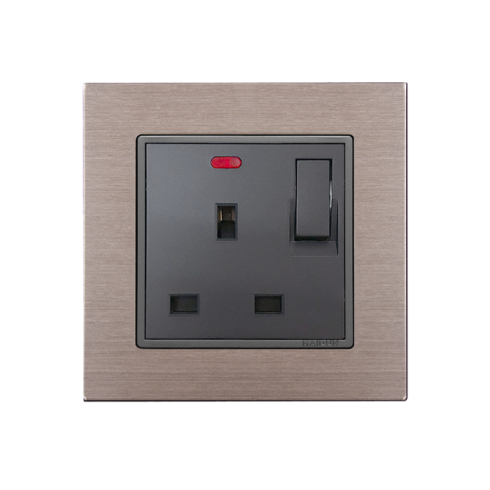
Maximize Your Space: The Advantages of Using 3 Hole Wall Sockets
Maximize Your Space: The Advantages of Using 3 Hole Wall Sockets Table of Contents Introduction to 3 Hole Wall Sockets Understanding 3 Hole Wall Sockets Benefits of 3 Hole Wall Sockets Space Efficiency and Organization Safety Features of 3 Hole Sockets Aesthetic Appeal and Versatility Installation Process for 3 Hole Wall S
2026/03/19
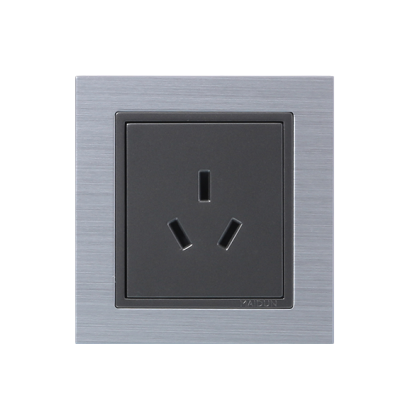
Understanding the Benefits and Applications of 3 Hole Wall Sockets
When it comes to electrical installations in residential and commercial spaces, the choice of wall sockets is crucial for both functionality and safety. One popular option is the 3 hole wall socket, which has become increasingly prevalent due to its enhanced safety features and versatility. This type of socket typically consists of three openings: two for live and neutral connections and one for g
2026/03/12
ONLINE MESSAGE
NAVIGATION

CONTACT
SERVICE HOTLINE:
ADDRESS: Maidun Industrial Park, No. 19 Qingfeng Road, Henglan, Zhongshan City, Guangdong Province
CopyRight © Zhongshan Maidun Electric Co., Ltd